Reiki Massage
A landmark review found no scientific evidence that depression is caused by a chemical imbalance.
A major umbrella review led by researchers at University College London has found no convincing evidence that depression is caused by low serotonin levels or reduced serotonin activity.
Why Pairing Reiki with a Reflexology Foot Massage Is the Ultimate Reset
If you've ever left a massage feeling physically looser but still mentally wired — or walked out of an energy healing session feeling calm but still carrying tension in your shoulders — you've experienced the gap that a combined Reiki and reflexology session is designed to close.
Increasingly, people are searching for "reiki massage" not because Reiki itself involves massage (it doesn't — it's a hands-on or hands-hovering energy practice), but because they're looking for something that treats both body and energy at once. Pairing Reiki with a reflexology foot massage is one of the most effective ways to do exactly that.
What Reiki Actually Is
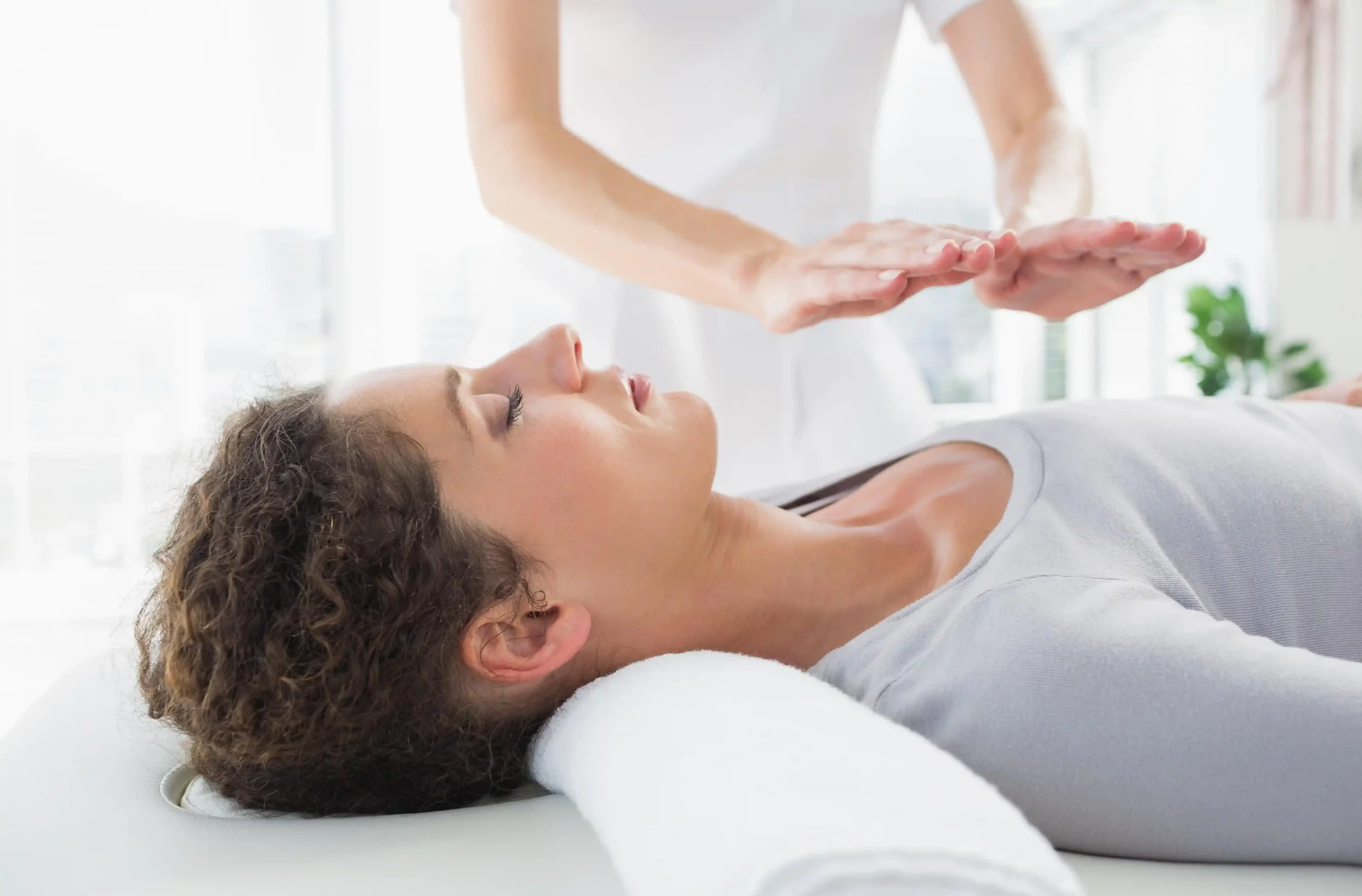
Reiki is a Japanese energy-healing technique where a practitioner channels healing energy — through light touch or hands held just above the body — to help release stress and support the body's own capacity to restore balance. It doesn't involve kneading or pressure; instead, it works on calming the nervous system, encouraging deep relaxation, and clearing the kind of low-grade tension that builds up from daily stress.
What Reflexology Actually Is
Reflexology, by contrast, is deeply physical. A reflexologist applies specific pressure to points on the feet (or hands) that correspond to organs and systems throughout the body. With more than 7,000 nerve endings in the sole of each foot, this pressure-point work stimulates circulation, encourages lymphatic drainage, and activates the body's natural relaxation response — often surfacing tension or tenderness in areas you didn't even realise were holding stress.
Why Combine Them?
On their own, both are powerful. Together, they work on two different layers of the same problem:
Reflexology addresses the physical layer — easing tension in the body, improving circulation, and releasing the tightness that builds up in the feet, legs, and beyond.
Reiki addresses the energetic and nervous-system layer — calming the mind, settling a racing nervous system, and supporting the emotional release that often accompanies physical relaxation.
Clients often describe the combination as feeling both grounded and light afterward — the physical looseness of a good foot treatment combined with the mental stillness of an energy session. It's a full-spectrum reset rather than a treatment for just one part of you.
Who Benefits Most
This combined approach tends to resonate especially well with people dealing with:
Chronic stress or a racing mind that won't switch off
Poor sleep or difficulty winding down at night
Tension headaches, neck and shoulder tightness, or general body tension
Emotional overwhelm alongside physical fatigue
A general sense of being "stretched thin" and disconnected from their body
Reflexology and Reiki don't diagnose or treat illness, and they're not a substitute for medical care — but as a complement to it, they offer a gentle, non-invasive way to support your body's own healing and regulation.
What to Expect in a Session
A typical combined session begins with a foot cleanse, followed by reflexology work using hand and finger pressure to address areas of tenderness or congestion. From there, Reiki energy work is layered in — either woven through the reflexology or offered as a distinct phase of the session — to calm the nervous system and support a deeper state of rest.
Many clients find that physical tension eases first, followed by a noticeable settling of the mind — the kind of full-body exhale that's hard to get from either modality alone.
Ready to Experience It Yourself?
If you're curious what it feels like to combine grounded, physical reflexology with the calming energy of Reiki, a combined session might be exactly the reset you're looking for. Sessions are available in-clinic (Katoomba or Canterbury) or as a mobile service, so you can experience the treatment wherever you feel most comfortable.
Book your Reiki and reflexology session today and feel the difference for yourself.
Reiki Benefits
A landmark review found no scientific evidence that depression is caused by a chemical imbalance.
A major umbrella review led by researchers at University College London has found no convincing evidence that depression is caused by low serotonin levels or reduced serotonin activity.
Does Reiki Work?
Reiki has been part of complementary healthcare in Australia for decades.
The most comprehensive attempt to answer this question is a 2017 review published in the Journal of Evidence-Based Complementary & Alternative Medicine.
Researchers examined thirteen peer-reviewed clinical studies that met strict criteria — each with more than 20 participants receiving Reiki.
The review's author concluded this body of evidence supports Reiki as a safe, gentle complementary therapy that appears to work by activating the parasympathetic nervous system — the body's "rest and digest" state responsible for calming stress responses.
What the evidence consistently point to is Reiki's value as a relaxation-inducing, stress-reducing practice — a legitimate complementary therapy that many people find genuinely calming, particularly for the subjective, quality-of-life symptoms that sit alongside illness: stress, anxiety, disrupted sleep, and general tension.
Reiki fits into a broader wellness picture — not as a replacement for medical care, but as something that sits alongside it.
Keep your existing care team involved. Reiki works best as a complement to medical treatment.
Notice how you actually feel after your reiki treatment.
If you're curious what a session actually involves before booking, our Reiki page walks through the process step by step.
Sources referenced:
McManus, D.E. (2017). Reiki Has Broad Potential as a Complementary Health Therapy. Journal of Evidence-Based Complementary & Alternative Medicine, 22(4), 1051–1057.
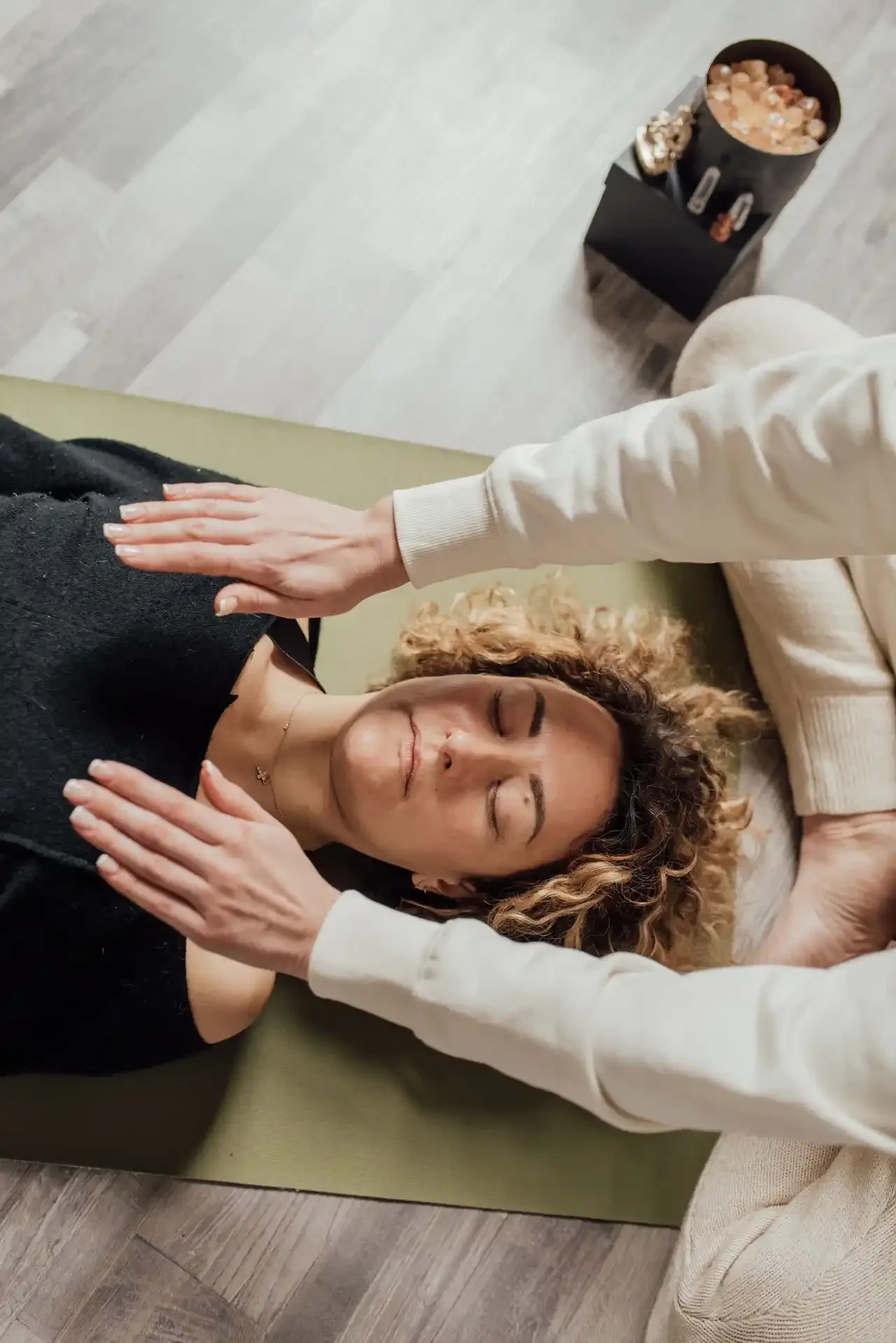
Reiki is a non-intrusive technique that does not require anything to be done by the recipient
How to Improve Mental Health
A landmark review found no scientific evidence that depression is caused by a chemical imbalance.
A major umbrella review led by researchers at University College London has found no convincing evidence that depression is caused by low serotonin levels or reduced serotonin activity.
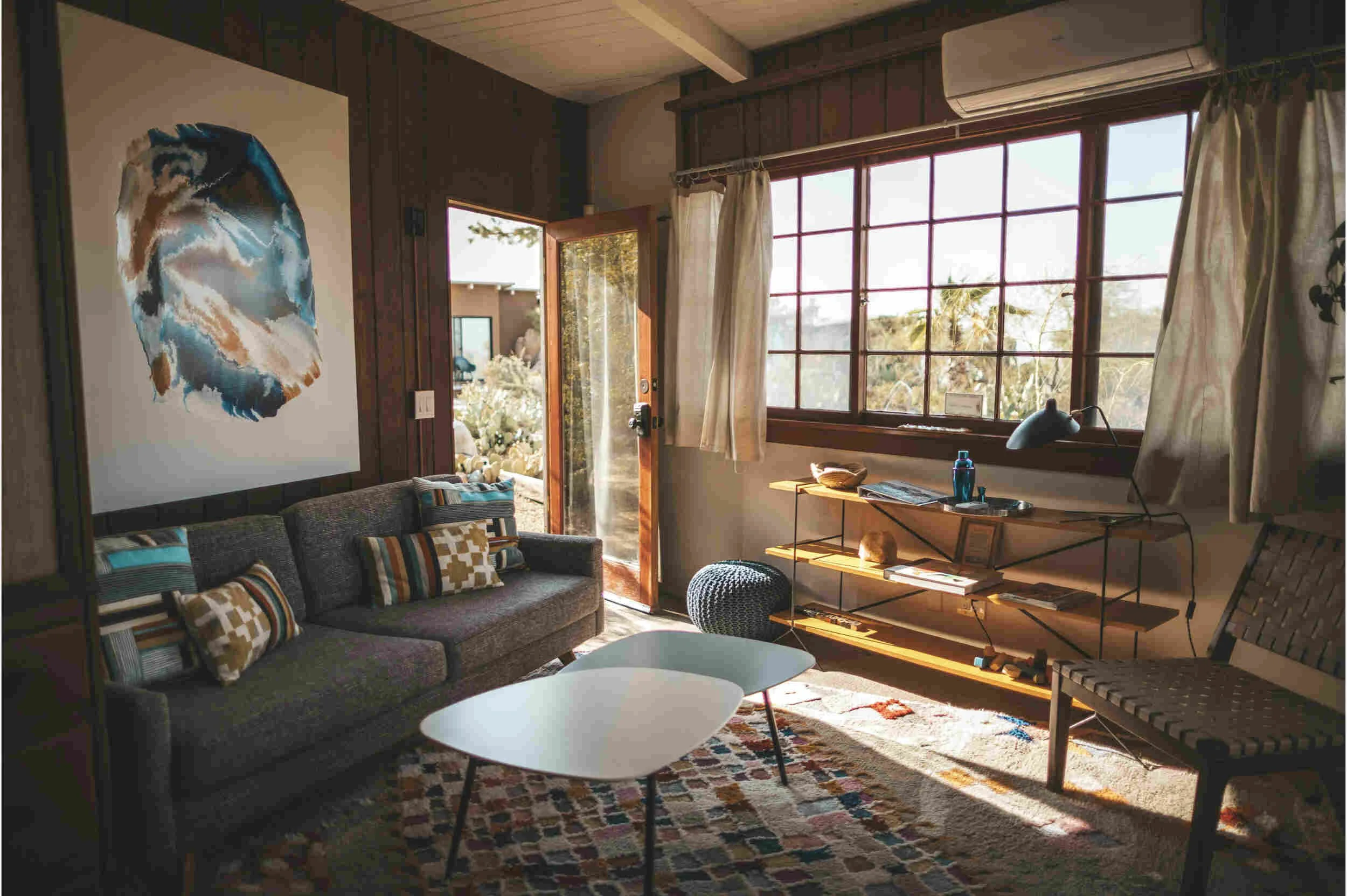
Let there be light!
A landmark review found no scientific evidence that depression is caused by a chemical imbalance.
A major umbrella review led by researchers at University College London has found no convincing evidence that depression is caused by low serotonin levels or reduced serotonin activity. Published in Molecular Psychiatry, the study analysed decades of research across several major fields and concluded that the long-standing “chemical imbalance” theory lacks scientific support. This challenges the core rationale behind the widespread use of antidepressants like SSRIs, which are believed to work by correcting low serotonin. The review suggests that the popularity of this theory may have contributed to the massive increase in antidepressant prescriptions despite the absence of biological proof.
The findings also raise concerns about how this serotonin theory may shape public perception and treatment decisions.
With up to 90% of people believing depression stems from a chemical imbalance, researchers warn that this misconception can discourage recovery optimism and reliance on non-drug treatments.
Moreover, some evidence points to antidepressants possibly lowering serotonin levels over time, highlighting a need for transparency and new approaches to mental health care.
The authors advocate for a shift in focus toward addressing life stressors, trauma, and social factors through therapy and lifestyle interventions rather than pharmacological solutions alone.

Just as flowers wake up with the morning light, so too do we
How to Better Your Mental Health
One factor that can improve your mental health is your exposure to vitamin D and natural light.
Natural light is essential for good health as it helps regulate your body's internal clock, improves mood by boosting serotonin, supports vitamin D production for bone and immune health, enhances sleep quality, and reduces the risk of depression, eye strain, and anxiety. Exposure to daylight helps align your circadian rhythm with the natural day-night cycle, ensuring you feel awake and alert during the day and can sleep well at night.
Seasonal affective disorder (SAD) is a depressive disorder that we most often experience in winter or when we experience prolonged weather that is overcast and rainy. Australia is fortunate in that our winters aren’t as harsh as other countries, where days are much shorter and the exposure to natural light is limited.
When we lived tribally, we were exposed to natural light for most of the day. But modern workplaces, or cubicle cages, often reduce natural light exposure and time in the elements, which can negatively impact employee well-being by causing issues like eye strain, headaches, drowsiness, and poor sleep.
Insufficient daylight disrupts the body's circadian rhythms, increasing fatigue and promoting less healthy sleep-wake cycles.
Modern living spaces have also led to a reduction in natural light due to architectural choices like smaller windows, increased use of internal walls, and the trend of building larger, more private homes that block exterior light.
This reduced natural light negatively impacts sleep, mood, and overall health, affecting both our bodies and the ambience of our homes.
Light energy, particularly natural sunlight, significantly influences our body's internal clock. Exposure to light affects our level of wakefulness and alertness. If you work in an office, taking advantage of morning light exposure can help synchronise your internal clock. Consider stepping outside to bask in natural light or taking in a morning walk before work. This can act as a cue to wake up and boost alertness, effectively kickstarting your day.
The Camping Effect
On the average work night, most people come up 30-90 minutes short of the sleep our bodies need for long-term health. Camping gives us exposure to natural light, and the total darkness helps reset our internal clocks in as little as two days - a weekend camping trip. By resetting our clocks, we get a chance to establish a more satisfying sleep pattern back at home.